The Texture of Time
Date
December 2, 2025
In-between Light
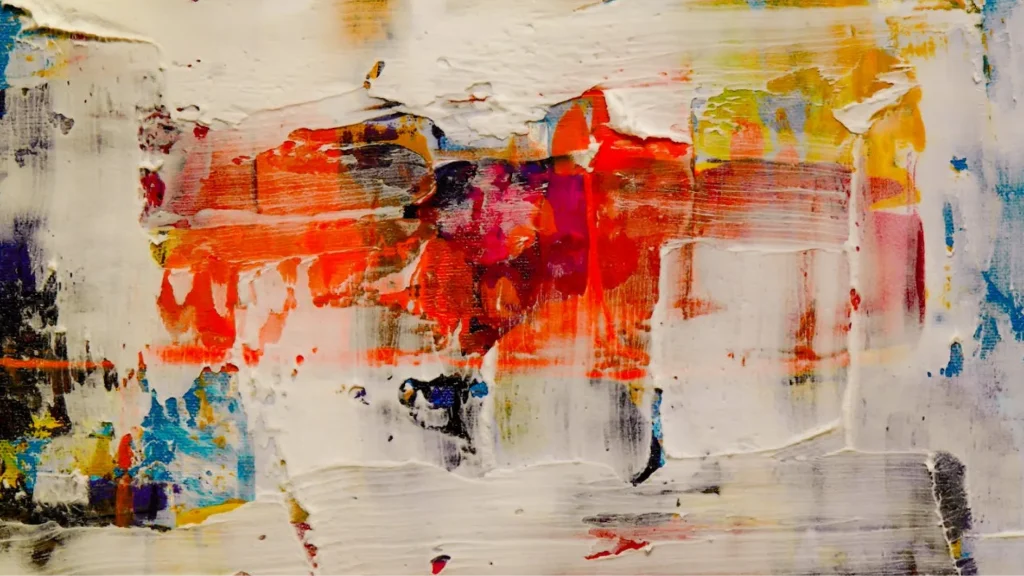
My work begins from lived experience and the emotional registers of home, distance, and return. I often start from small observations—interiors I move through daily, streets that carry personal history, the way a familiar building changes under different weather. But I’m not interested in painting these places as accurate representations. I’m interested in what they do to the mind. How does a place feel after years of living within it? What remains when you leave? What part of a city continues to exist inside you even when you are far away?
The paintings hold moments that feel half-remembered. They sit between clarity and erasure, like images that appear briefly when you close your eyes. I am drawn to the tension between what we see and what we sense—between the physical world and the emotional world it generates. Instead of resolving that tension, I try to stay inside it. The surfaces are built to feel porous, as if time and memory were folding into the present. In this way, the work becomes less about describing a place and more about describing a state of perception.
I want the viewer to encounter the painting the way you encounter memory: not as a fixed record, but as something alive, unstable, and endlessly revisited.
Listening To Atmosphere
Atmosphere is central to my process. I let the painting develop slowly, through repetition and return. I pay attention to how a surface asks to be continued, how a color wants to shift, how a space wants to open or close. This way of working mirrors how emotional understanding grows: through accumulation rather than certainty. The painting teaches me what it needs.
Reflections of inner weather
Light, tone, and shadow become metaphors for mental states. I treat brightness as an exposed memory, and darker zones as what stays hidden but present. The movement between these values creates an emotional rhythm—like weather passing through a body. Each work becomes a psychological climate: unstable, tender, shifting, and human.