Between Order and Chaos
Date
December 2, 2025
Drawing the usntable
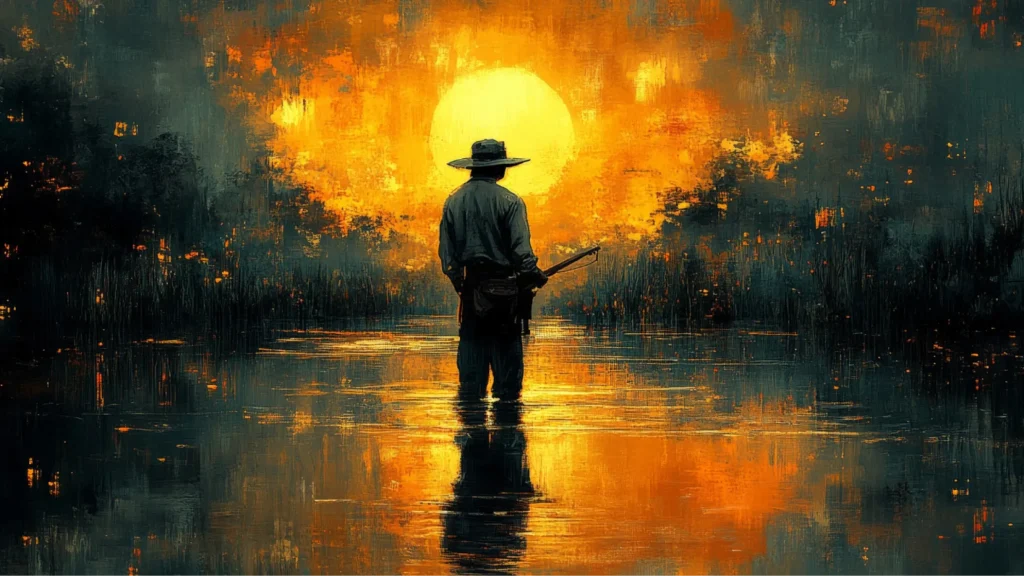
This work is rooted in uncertainty—how feelings slide, how places shift, how identity is shaped by what surrounds us. I approach painting as a way to hold instability without needing to resolve it. Each canvas becomes a site of negotiation between structure and drift, between control and surrender, between what is remembered clearly and what is sensed loosely.
The images stay intentionally open-ended. I want the viewer to enter without being directed toward a single interpretation. In life, meaning rarely arrives immediately. It forms gradually, through the body, through memory, through time. I want my paintings to allow that kind of slow meaning-making.
The process itself reflects this. I often begin with a loose field of color or gesture, then respond to what emerges. The painting becomes a conversation rather than a plan. I follow what feels emotionally necessary more than what feels visually correct.
Gentle states
I’m drawn to states that are quiet but decisive: longing, exhaustion, tenderness, drifting attention, a vague sense of becoming. They are the kinds of feelings that don’t announce themselves clearly, yet they shape everything underneath the surface. Often they arrive slowly, almost unnoticed, and only later do we realize how much they have been steering our thoughts and bodies. I’m interested in these subtle emotional climates because they feel deeply human—unresolved, layered, sometimes contradictory, and constantly shifting.
These states are difficult to describe directly, because they live between language and sensation. They are felt more than they are explained. Longing can look like stillness. Exhaustion can hide inside routine. Tenderness can be present even in moments that seem hard or distant. Drifting attention can feel like absence, but it can also be a form of survival or quiet reflection. And that vague sense of becoming—the feeling that something is changing inside you without knowing what it is yet—often has no clear shape at all. It exists as atmosphere.
I try to approach these emotional territories through softness, rhythm, and restraint. Instead of forcing an idea into a clear statement, I allow the work to stay open long enough for the emotion to breathe. I use light transitions, layered marks, erasures, and pauses in the surface to reflect how these feelings actually behave: slowly forming, fading, returning, and transforming. The painting becomes a space that can hold emotion without naming it too quickly, because naming something too early can shrink it. I want the surface to carry the weight of these states the way the body does—quietly, gently, but with undeniable presence.
Color as emotional time
Color acts like emotional time in my work. It marks distance, intimacy, fatigue, tenderness, and change. Some colors feel like immediacy, others like residue. Through layered tones, interruptions, and fades, the painting becomes a way to feel time rather than measure it.