The Language of Color
Date
December 2, 2025
A practice of return
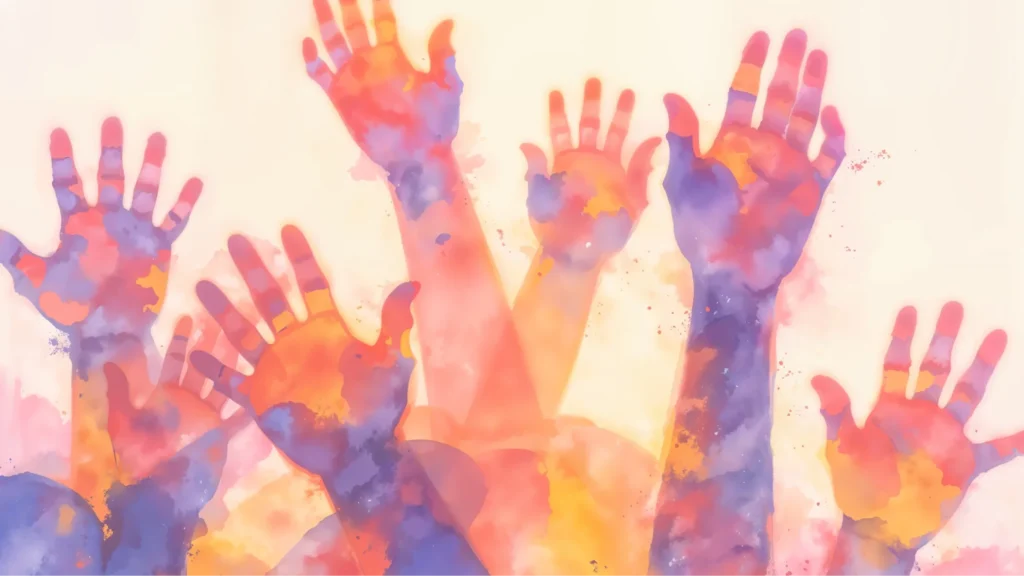
This body of work grows from a need to return—again and again—to certain places and emotional states. Sketching was my first way of returning: a quick method of keeping moments close. Painting became a slower return, a way of staying within a memory long enough for it to reveal layers. I’m interested in how the past doesn’t remain behind us, but reappears continuously through texture, atmosphere, and subtle changes in everyday life.
The works move between observation and imagination. They are rooted in real environments and lived encounters, but what they aim for is not literal documentation. I’m trying to reach the emotional residue of experience—the feeling that remains in the body after a moment is gone. Sometimes that residue is comfort, sometimes tension, sometimes longing. The paintings hold these states without defining them too tightly, because emotion is rarely precise. It is more like a fog we walk through than an object we can hold.
In this way, the paintings operate like thresholds. They point outward to the world, but also inward to personal history. They ask how place becomes part of identity, and how memory reshapes what we thought we knew.
The CITY as a BODY
I often think about the city as a living system—breathing, pressing, soothing, overwhelming. For me, a city is never just a backdrop; it behaves like a presence with its own pulse, moods, and rhythms. Cities do not simply surround us; they enter us. They shape the way we walk, the way we rest, the way we pay attention, and even the way we imagine ourselves. The crowdedness of a street, the weight of a building, the color of evening light, the constant movement of people and noise—these things settle into the body quietly, until they begin to feel like part of our internal landscape.
I’m fascinated by how this influence happens without permission or clear awareness. A city can hold you gently or exhaust you slowly. It can create comfort through familiarity, or anxiety through overload. Its tempo affects our breath, its textures affect our senses, and its memories attach themselves to particular corners of our lives. Sometimes we carry a place inside us long after we have left it, and sometimes we don’t realize how deeply we belong to a place until we are no longer there. My work reflects this intimacy between environment and emotion, where space is always shaping the inner life—softly or violently, visibly or invisibly—even when we think we are moving through it untouched. In painting, I try to trace that relationship: not the city as an object, but the city as a feeling that lives in us.
GESTURE, LAYER, TRACE
My process relies on visible history. I allow marks to remain as evidence of revision—erasures, stains, corrections, and returns. These traces are not mistakes; they are the record of time passing within the work. The surface becomes a kind of memory-field, layered and unstable, like the mind itself.